Introduction
Wound care management is a necessary aspect of healthcare, specifically in the therapy of chronic injuries and intricate injuries. Whether it's a simple cut or a more challenging ulcer, efficient injury administration can dramatically influence healing end results. Correct techniques not only accelerate healing yet likewise reduce the threat of infection and difficulties. As medical care professionals, comprehending these strategies is extremely important. In this short article, we dive deep right into Wound Treatment Management: Methods for Successful Outcomes, including various aspects such as training for experts, nursing education, and advanced strategies for taking care of complicated wounds.
1. Understanding Injury Care Management
1.1 What is Injury Treatment Management?
Wound treatment management refers to the methodical approach to dealing with wounds via appropriate analysis, medical diagnosis, and therapy protocols. It includes every little thing from cleaning and dressing injuries to surveillance healing progress.
1.2 Significance of Wound Care
Effective wound treatment is essential due to the fact that it assists prevent infections, promotes faster healing, and eventually lowers health care prices related to long term treatments.

2. Types of Wounds
2.1 Severe Wounds
Acute injuries are those that heal quickly without complications. They typically arise from surgery or unexpected injuries.
2.2 Chronic Wounds
Chronic wounds continue with time and are usually connected with underlying conditions such as diabetes or vascular disease.

3. The Function of an Injury Care Specialist
3.1 What Does a Wound Care Specialist Do?
A wound treatment expert concentrates on detecting and dealing with different kinds of wounds utilizing specialized understanding and techniques.
3.2 Training Needed for Specialists
To become a wound care professional, one have to undergo extensive training that consists of both academic knowledge and useful skills.
4. Wound Treatment Specialist Training
4.1 Review of Educating Programs
Training programs for injury care experts differ extensively but often include coursework on anatomy, physiology, and the current wound care technologies.
4.2 Certification Options Available
Various organizations use qualifications in wound care management that improve trustworthiness and knowledge in the field.
5. Wound Treatment Educating for Nurses
5.1 Significance of Specialized Training
Nurses play an essential duty in person care; thus, specialized training in wound management is essential for delivering high quality healthcare services.
5.2 Curriculum Components in Nursing Programs
Most nursing programs currently integrate modules concentrated on basic wound care training to gear up registered nurses with basic abilities required in scientific settings.
6. Wound Care Educating Courses
6.1 Online vs On-site Courses
With the rise of digital discovering systems, several professionals are selecting on-line wound care training courses that use adaptability without endangering on quality.
6.2 Course Web content Overview
Typical training course content includes composition pertinent to wound healing, ideal methods in clothing application, infection control actions, amongst others.
7. Basic Wound Care Training Essentials
7.1 Trick Abilities Acquired With Standard Training
Basic wound care training gears up people with abilities like cleaning techniques, applying dressings appropriately, and identifying indicators of infection.
7.2 Significance of Hands-on Practice
Theory alone isn't sufficient; hands-on technique is important for creating confidence and efficiency in handling wounds effectively.
8. Advanced Techniques in Intricate Wound Care
8.1 Recognizing Complicated Wounds
Complex wounds need specific interventions due to their nature-- typically involving much deeper tissues or underlying health and wellness problems that impede recovery processes.
8.2 Therapy Modalities
Advanced techniques consist of negative pressure injury website therapy (NPWT), bioengineered cells, and other ingenious methods customized to promote recovery in intricate cases.
9. Chronic Wound Care Management Strategies
9.1 Identifying Underlying Causes
Identifying the origin of chronic injuries-- be it inadequate circulation or diabetes-- is important for reliable therapy plans.
9.2 Multidisciplinary Approach
An effective persistent wound administration approach usually includes partnership among various healthcare providers including dietitians, podiatric doctors, and physical therapists.
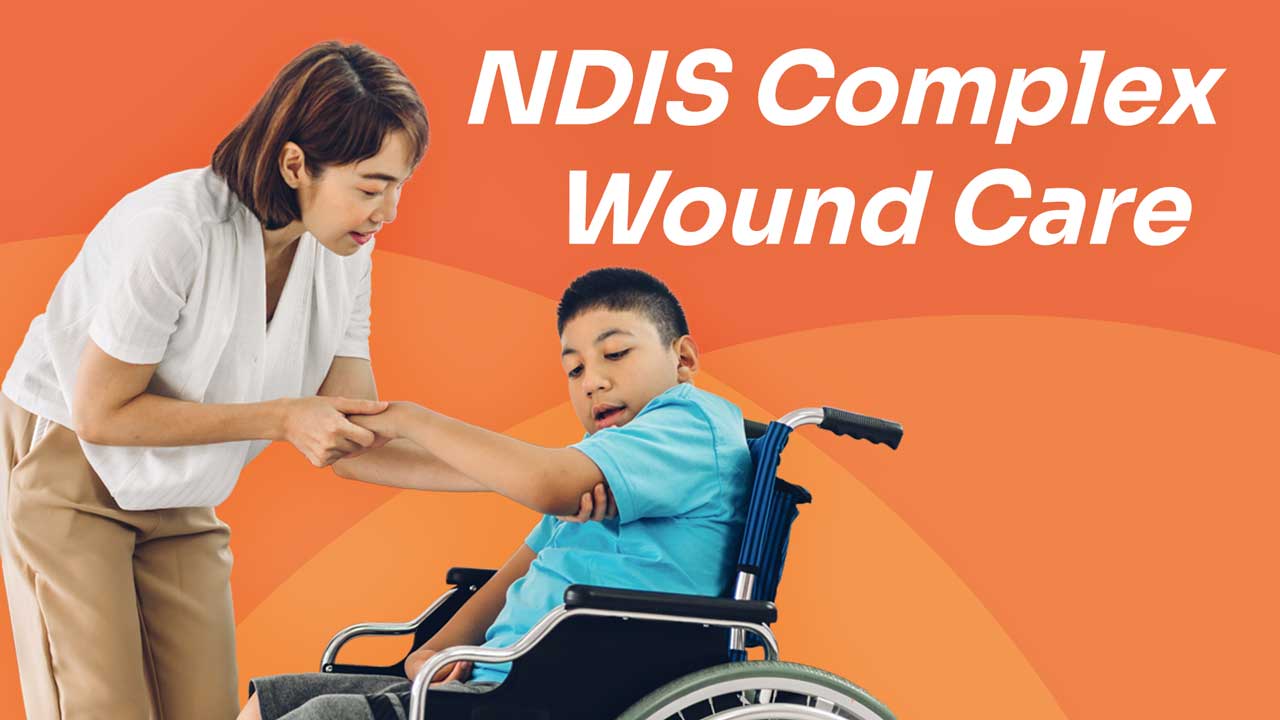
10. The NDIS (National Handicap Insurance Policy Scheme) & Injury Care
10.1 NDIS Assistance Services
For people under the NDIS structure needing recurring wound administration support services are essential to guarantee they receive appropriate treatment tailored to their needs.
10.2 Financing Options Available
Understanding financing options offered with NDIS allows patients to access needed treatments without financial burden.
Frequently Asked Concerns (Frequently asked questions)
Q1: What qualifications do I need to become a wound treatment nurse?
A: Normally calls for a nursing degree together with specialized accreditation in wound management obtained through identified programs or training courses concentrated on nursing injury care training.
Q2: How much time does it require to complete a wound care training course?
A: Course period varies; nevertheless, several on the internet programs can be finished within a number of weeks while thorough certification programs may take months depending on deepness and routine flexibility.
Q3: Can I handle my very own persistent wounds at home?
A: While some people can manage small chronic injuries at home with appropriate education from healthcare providers, severe cases ought to constantly be reviewed by professionals to avoid complications.
Q4: Why is infection control important in wound management?
A: Infection control stops issues that can develop from neglected infections which may postpone healing or lead to extra severe health issues requiring considerable clinical intervention.
Q5: Exist certain items advised for chronic wound management?
A: Yes! The choice of products relies on the kind of persistent injury; usual options include hydrocolloid dressings, alginates, foam dressings etc, tailored based upon specific requirements evaluated by medical care providers.
Q6: Exists continuous education and learning available after preliminary certification?
A: Absolutely! Numerous companies urge continuous specialist advancement via workshops, seminars, on-line sources guaranteeing practitioners stay current with developments in efficient techniques associated with chronic injury care management.
Conclusion
In final thought, effective Wound Treatment Management: Methods for Effective Outcomes depend greatly on knowledgeable professionals who recognize both fundamental concepts and advanced strategies essential for promoting optimum healing problems throughout varied individual populaces-- from severe injuries requiring immediate interest to complex chronic wounds requiring continuous analysis and treatment methods tailored towards alternative wellness goals. By focusing on education and learning with detailed training programs developed especially around advancing requirements within this vibrant area-- health care professionals can enhance their ability providing phenomenal service while making certain favorable individual experiences generating effective outcomes over time.